A great pillow can transform your sleep, but what many Kiwis don’t realise is that pillows can also harbour allergens that may trigger asthma, eczema, hay fever and general sensitivities. Every night, pillows collect moisture, skin cells and dust, creating the perfect environment for dust mites. These microscopic mites thrive in warm, humid conditions and feed on dead skin cells – making your pillow one of their favourite places to live.
If you struggle with allergies or respiratory conditions, choosing the right pillow can make a meaningful difference to your sleep quality. Below, we explore common conditions and the best pillow types to help minimise allergy symptoms.
Why allergies are so common in New Zealand bedrooms
Our climate plays a role in allergy flare ups – many regions, including Auckland, Northland, Waikato and the West Coast, experience high humidity levels. Dust mites thrive in warm, moist environments, making Kiwi bedrooms particularly susceptible.
Indoor heating in winter and closed up homes in summer can also trap moisture, creating ideal conditions for allergens to multiply. This makes bedding choices especially important for New Zealand households.
Common allergy related conditions in New Zealand
ASTHMA
Asthma affects many Kiwis, with symptoms ranging from mild to severe. These can include breathlessness, chest tightness, wheezing, coughing and night time flare ups – all triggered by allergens such as dust mites, pet dander or pollen.
To help reduce exposure to dust mites, asthma sufferers often benefit from pillows made with synthetic fibres, natural latex, or New Zealand wool. Latex and wool are naturally hypoallergenic, anti-bacterial and dust mite resistant, ideal for creating a cleaner sleep environment.
ECZEMA
Eczema is a recurring skin condition that affects a significant number of people in Aotearoa. It commonly appears in individuals with a family history of asthma or hay fever. Symptoms include dry, itchy, inflamed skin, and in severe cases, weeping or crusting.
Dust mites can be a major trigger for eczema flare ups. Pillows filled with natural cotton or wool are recommended for their breathability, hypoallergenic properties and resistance to dust mites. These materials also help regulate temperature, which can reduce irritation for sensitive skin.
HAY FEVER
Hay fever is widespread in New Zealand, especially during spring and summer when grass and pollen levels peak. Symptoms include itchy eyes, sneezing, congestion and a runny nose.
For hay fever sufferers, breathable and hypoallergenic pillows are essential. Natural latex, cotton, wool, and anti allergy hollowfibre pillows are excellent options. Hollowfibre, made from polyester, has a lighter weave that improves airflow and reduces moisture build up.
Best pillow types for allergy sufferers
While individual needs vary, the following pillow types are especially suitable for allergy prone sleepers:
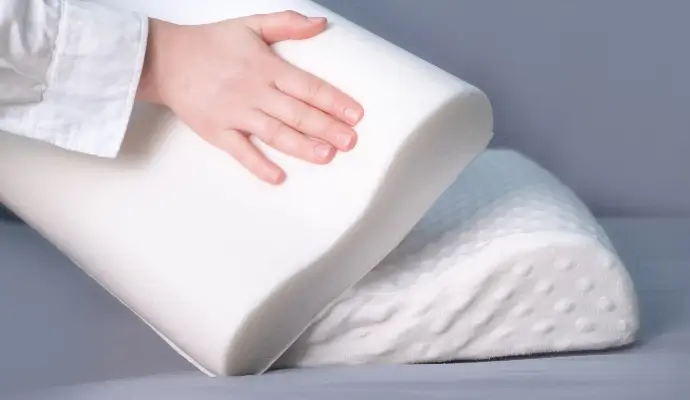
LATEX PILLOWS
- Naturally hypoallergenic and anti-microbial
- Resistant to dust mites and mould
- Supportive and durable

WOOL OR WOOL BLEND PILLOWS
- Breathable and moisture wicking
- Naturally resistant to dust mites
- Helps regulate temperature for sensitive skin
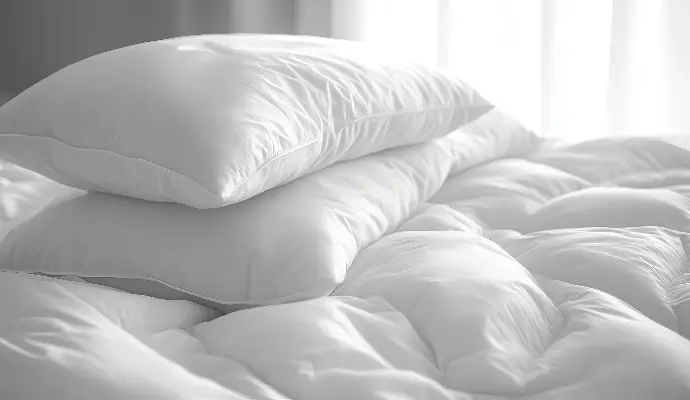
ANTI ALLERGY SYNTHETIC PILLOWS
- Treated to inhibit dust mites and bacteria
- Lightweight and easy to care for
- Suitable for asthma and hay fever sufferers
PILLOWS WITH MOISTURE MANAGING COVERS
- Fabrics like TENCEL® help disperse moisture
- Promote a cooler, drier sleep environment
- Ideal for humid NZ climates
How to choose the right pillow
When selecting a pillow, consider both your sleep position and your allergy needs:
- Side sleepers may need a firmer, higher profile pillow for neck alignment
- Back sleepers often prefer medium support
- Stomach sleepers typically need a softer, lower profile pillow
Allergy prone sleepers should also use a fully enclosed, dust mite proof pillow protector for an added layer of defence.
Hypoallergenic vs anti allergy pillows
Understanding the difference helps you choose the right option:
HYPOALLERGENIC PILLOWS
Made from materials less likely to trigger allergies (like: latex, wool, synthetic fibres). They naturally resist dust mites and bacteria.
ANTI ALLERGY PILLOWS
Treated with anti-microbial or anti dust mite solutions to actively prevent allergen growth.
Both options support a healthier sleep environment, but anti allergy pillows offer an added level of protection.

Signs your pillow may be triggering allergies
If you notice any of the following, your pillow may be contributing to your symptoms:
- Waking up congested or coughing
- Itchy eyes or skin after sleep
- Needing to flip the pillow to the cool side frequently
- Increased sneezing or runny nose at night
- Visible flattening, clumping or discolouration of the pillow
These signs often indicate dust mite build up, moisture retention or worn out materials.

Healthy sleep routine for allergy sufferers
A few simple habits can make a big difference:
- Wash bedding weekly in hot water (55°C or above)
- Use cold wash dust mite treatments if hot washing is not possible
- Air out your bedroom daily to reduce humidity
- Vacuum your mattress regularly
- Replace pillows every 1–2 years
- Use a dehumidifier in damp NZ climates
- Keep pets off the bed if you’re sensitive to dander
These steps help maintain a cleaner, healthier sleep environment.

Caring for your pillow and bedding
To maintain a healthy sleep environment:
- Wash pillows regularly (check manufacturer instructions, some materials are not machine washable).
- Wash bedding in water hotter than 55°C to kill dust mites.
- Vacuum your mattress on low suction to reduce dust and debris.
- Replace pillows every 1–2 years to maintain hygiene and support.
There is no one size fits all solution, but with the right materials and care, you can enjoy a comfortable, allergy friendly sleep without compromising on quality.

When to see a professional
If you continue to experience symptoms such as persistent coughing, worsening eczema, or severe hay fever despite making bedding changes, it may be time to speak with a health care professional. They can help identify triggers and recommend personalised treatment options.
FAQs
Pillows made from synthetic fibres, latex or wool are ideal for asthma sufferers because they are naturally hypoallergenic and dust mite resistant. Avoid feather or down pillows, which can trap allergens and worsen symptoms.
Anti allergy pillows are treated to prevent the growth of dust mites and bacteria. Look for pillows with anti-microbial treatments or moisture managing covers that help maintain a cleaner sleep environment.
A hypoallergenic pillow is made from materials that are less likely to trigger allergies. Latex, wool and certain synthetic fibres are naturally hypoallergenic. Those with latex allergies should avoid latex filled pillows.
- Anti allergy pillows are treated to prevent allergens from developing.
- Hypoallergenic pillows are made from materials that naturally resist allergens.
Both help reduce allergy symptoms, but anti allergy pillows offer an added guarantee of allergen protection.
Most pillows should be replaced every 1–2 years, depending on the fill and how well they are cared for. Replacing pillows regularly helps maintain support and reduces allergen build up.
Yes. Natural latex is naturally anti-microbial, dust mite resistant and hypoallergenic, making it an excellent choice for allergy sufferers.
Surprisingly, yes. Wool is naturally resistant to dust mites and bacteria, and its moisture wicking properties help maintain a dry, inhospitable environment for allergens.
Absolutely. A fully enclosed, dust mite proof pillow protector adds a crucial barrier between you and allergens, extending the life of your pillow and improving sleep hygiene.
Latex is naturally resistant to dust mites, making it one of the best options for allergy prone sleepers.
Children often benefit from hypoallergenic or anti allergy synthetic pillows, as they are easy to wash and maintain. Latex and wool can also be suitable depending on age and sensitivity.
Common signs include increased night time congestion, sneezing, itching, or visible dust when fluffing the pillow. If your pillow is older than two years, dust mite build up is likely.