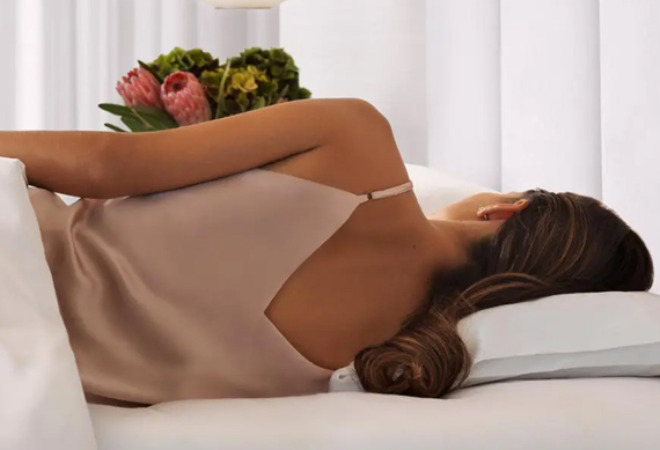
There’s nothing quite like waking up after what should have been a full night’s sleep, only to find your back feels stiff, sore or uncomfortable before the day has even started.
For many New Zealanders, back discomfort isn’t just something they deal with during work or exercise. It can affect sleep itself, making it harder to get comfortable, stay asleep and wake feeling refreshed.
While back pain may have a variety of causes, your mattress can play an important role in how supported and comfortable your body feels overnight.
Sleeping on a mattress that no longer suits your body, sleeping style or support needs can affect comfort and sleep quality. The right mattress, on the other hand, may help support healthy sleep posture and create a more comfortable sleeping environment.
In this guide, we’ll explore the connection between back pain and mattresses, what support really means, and how to choose a mattress that feels right for your body.
Why your mattress matters more than you think
Most of us spend around a third of our lives in bed. During those hours, your mattress is responsible for supporting your body and helping maintain comfortable alignment while muscles and joints recover from the day.
Whether you’re sitting at a desk in Auckland, working on a farm in Canterbury, spending weekends on the water in the Bay of Plenty, or clocking up kilometres on walking tracks around New Zealand, daily activities place different demands on the body.
A mattress that supports healthy alignment can help your muscles relax while you sleep. A mattress that is too soft, too firm or no longer performing as intended may contribute to discomfort and restless nights.
The link between back pain and sleep posture
Your spine naturally forms gentle curves. Ideally, your mattress should support these curves and help keep your body in a comfortable, neutral position throughout the night.
When a mattress doesn’t provide appropriate support:
- Hips may sink too deeply
- Shoulders may experience excess pressure
- Lower back muscles may remain engaged
- Sleep posture may become compromised
Many people associate support with firmness, but they’re not the same thing. A supportive mattress should help keep your body comfortably aligned regardless of whether the mattress feels plush, medium or firm.
Could your mattress be contributing to back pain?
Back pain has many possible causes, but there are some common signs that your mattress may no longer be providing the comfort or support you need.
- YOU WAKE UP SORE MORE OFTEN THAN YOU USED TO
If stiffness or discomfort is most noticeable when you wake up but gradually eases throughout the day, your sleep surface may be worth reviewing. - YOUR MATTRESS IS SHOWING SIGNS OF WEAR
Visible sagging, body impressions and uneven sleeping surfaces can affect support and comfort. - YOUR MATTRESS IS MORE THAN 8-10 YEARS OLD
While lifespan varies by product and usage, mattress materials naturally change over time. An ageing mattress may not feel the same as it did when it was new. - YOU SLEEP BETTER AWAY FROM HOME
If you’ve had a comfortable night’s sleep at a hotel or holiday accommodation and wondered why, your mattress could be one factor worth considering. - YOUR PILLOW ISN’T RIGHT EITHER
Your pillow and mattress work together. Even a supportive mattress may feel uncomfortable if your pillow isn’t appropriate for your sleeping position.
What type of mattress is best for back pain?
Every sleeper is different – factors that may influence your ideal mattress include:

BODY SHAPE AND SIZE

SLEEPING POSITION

COMFORT PREFERENCE

WHETHER YOU SHARE YOUR BED

PERSONAL SUPPORT PREFERENCES
Rather than looking for the firmest mattress available, it’s often more useful to focus on finding the right balance of support and comfort.
Is a firm mattress better for back pain?
This is one of the most common mattress questions in New Zealand, and the simple answer is – not always. In fact, research and industry experience show that a firmer mattress isn’t necessarily better for comfort or sleep quality.
For example:

SIDE SLEEPERS
Side sleepers often need enough cushioning around the shoulders and hips while maintaining support through the waist and lower back.

BACK SLEEPERS
Back sleepers typically benefit from a mattress that supports the natural curve of the spine without allowing the hips to sink excessively.

COMBINATION SLEEPERS
People who change position frequently throughout the night often prefer a balance of pressure relief and responsive support.
The key is finding the mattress that feels supportive to your body, not choosing a mattress based solely on firmness labels.
What to look for in a mattress if you have back pain

SUPPORTIVE DESIGN
Look for a mattress designed to provide targeted support and encourage healthy spinal alignment.

PRESSURE RELIEF
Comfort layers should help cushion key areas such as the shoulders, hips and lower back.

QUALITY CONSTRUCTION
Support is important today, but durability matters too. Well-made mattresses are designed to maintain their comfort and support characteristics over time.

THE RIGHT COMFORT LEVEL
A mattress should feel comfortable for your body and sleeping position while still providing appropriate support.

A SUITABLE PILLOW
A mattress and pillow should work together to support your head, neck and spine.

Why trying a mattress in-store is so important
One of the biggest mistakes mattress shoppers make is relying entirely on online descriptions. Comfort is personal. What feels supportive to one sleeper may feel completely different to another.
When visiting a Sealy retailer, spend time lying on mattresses in your normal sleeping position. Bring your partner if you share a bed and don’t rush the process. A mattress is a long-term investment in your sleep, so it’s worth taking the time to find the right fit.
The Sealy Posturepedic difference
At Sealy, support sits at the heart of mattress design. Our Sealy Posturepedic mattresses incorporate targeted support systems designed to support the body and deliver pressure-relieving comfort.
Combined with quality materials, extensive testing and locally made craftsmanship, Sealy Posturepedic mattresses are designed to provide the perfect balance of comfort, support and durability.
Beyond your mattress: other ways to support better sleep
If you’re experiencing back discomfort, it may also be worth considering:

YOUR PILLOW CHOICE
A pillow that complements your sleeping position may improve overall comfort and alignment.

GENTLE STRETCHING
Many people find mobility exercises or gentle stretching before bed helps ease tension from the day.

SLEEP POSITION
The way you sleep can influence how pressure is distributed across your body.

BEDROOM ENVIRONMENT
Temperature, bedding and overall sleep comfort may also affect sleep quality.

CONSISTENT SLEEP HABITS
Regular sleep and wake times can contribute to better overall rest.
Finding the right mattress for your needs
The best mattress isn’t necessarily the most expensive, the firmest or the one someone else recommends. The right mattress is the one that helps you feel comfortable, supported and well-rested. Before making a purchase, consider:
- Your sleeping position
- Preferred comfort level
- Current aches and pressure points
- Whether you sleep with a partner
- Mattress size requirements
- Long-term durability
- Warranty coverage
Not sure which Sealy mattress is right for you?

FAQs
Back pain can have many causes, but a mattress that no longer provides appropriate comfort or support may contribute to discomfort and poor sleep quality for some people.
Not necessarily, firmness and support are not the same thing. The most suitable mattress is typically one that balances pressure relief with appropriate support for your body.
Signs may include sagging, visible wear, ongoing discomfort, poor sleep quality or waking up feeling stiff more frequently than before.
As mattresses age, their comfort and support characteristics may change, potentially affecting sleep quality and overall comfort.
Many people find side or back sleeping comfortable, but the ideal sleeping position varies from person to person.
Yes. Your pillow supports your head and neck and works alongside your mattress to help maintain comfortable alignment while sleeping.
Many people looking for additional support choose mattresses designed with support-focused technologies. The most important consideration is finding a mattress that feels comfortable and supportive to your individual needs.
Trying a mattress in store allows you to assess comfort and support first-hand, which can be particularly valuable if you’re shopping because of back discomfort.
Sealy offers a range of mattresses featuring Posturepedic support technologies and different comfort levels. The best option depends on your individual sleep preferences, support needs and comfort requirements.